The journey of a storyteller
Step into the world of R. Thaddeus Lech, an author whose writing reflects a unique journey from visual art to compelling narratives. Discover the depth and nuance he brings to every story, exploring themes that resonate with the complexities of human experience.

From canvas to characters
Born and raised amidst the vibrant energy of New York City, R. Thaddeus Lech began his creative journey as a visual artist. This foundation in art honed his keen observational skills, later transforming into a talent for crafting characters and narratives that are urbane, observant, and subtly amused by life's contradictions. His eventual move to Santa Fe, New Mexico, further shaped the reflective tone of his work.
The world as my muse
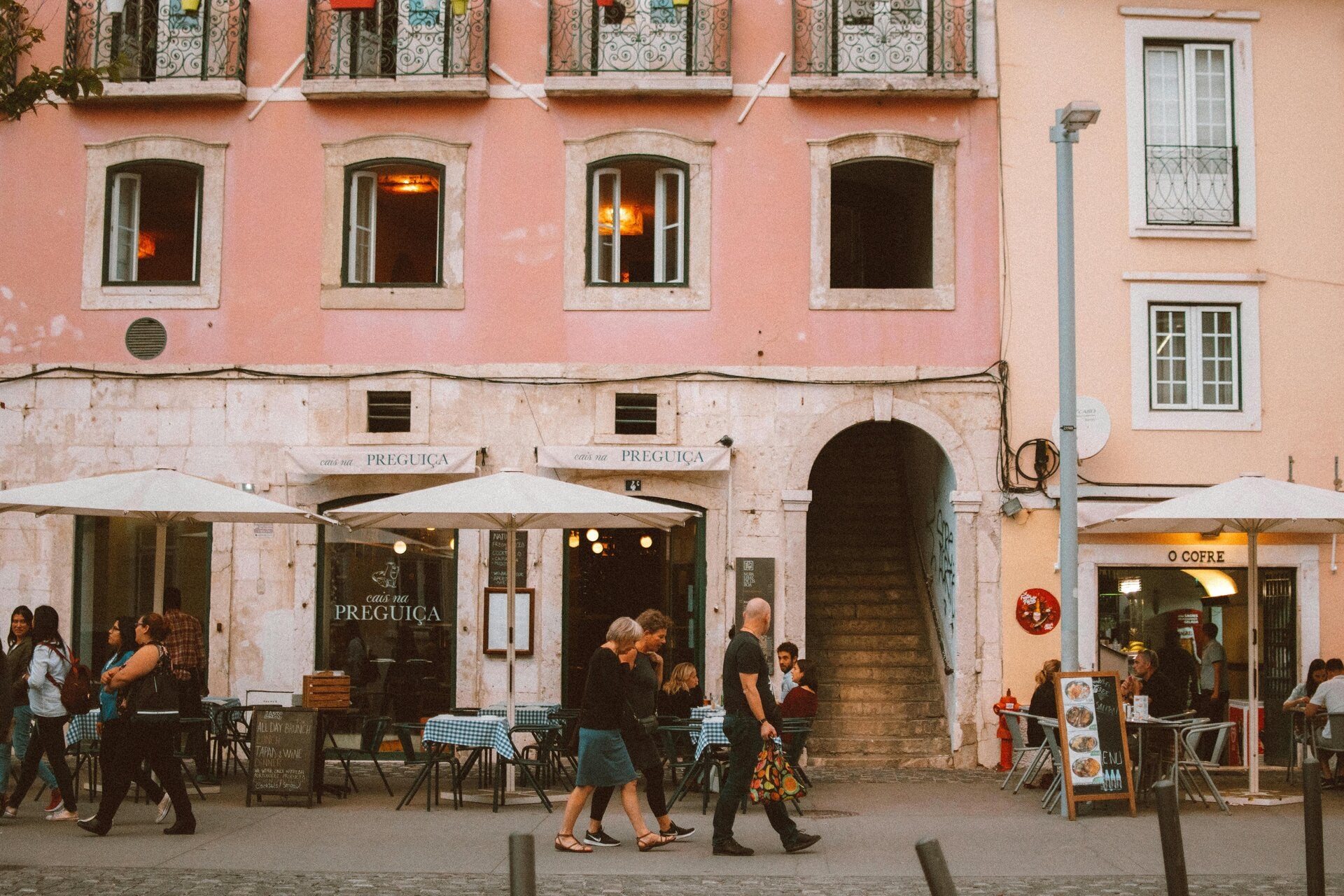
A frequent traveler, especially across Italy and Europe, Lech deeply infuses his stories with lived experiences and the quiet absurdities of professional and social life. His writing is distinguished by sharp, authentic dialogue, an affectionate irreverence, and a firm conviction that intelligence and humor are powerful, complementary virtues. He crafts narratives that are both thought-provoking and entertainingly real.

Unveiling the layers of reality
R. Thaddeus Lech writes from a unique vantage point, observing power—be it governmental, institutional, or financial—without romanticizing it. He reveals how systems truly function, from stalled meetings to quiet deals, focusing on the small human moments that shape grand narratives. His characters are confident yet fallible, reflecting a balance of competence and human contradiction that resonates deeply with readers. He grounds his places in memory, not fantasy, making culture behavioral, and uses wit to expose absurdity and soften hard observations, making truths both palatable and profound.
Beyond the page: a painter's eye
Before words, there were canvases. R. Thaddeus Lech initially pursued painting, a background that still influences his writing. He approaches scenes like a painter, considering foreground, negative space, and where the eye should linger. This explains his particular attention to rooms, light, meals, and physical details. He finds joy in writing to jazz, with a cold espresso, believing that if a scene doesn't make him smile, it's not yet complete.